Understand
Why Workplace Dignity Matters
Dignity shapes how people communicate, make decisions, take ownership, respond to pressure and work together.
Why It Matters
“Everyone wants to be treated as if they mattered.”
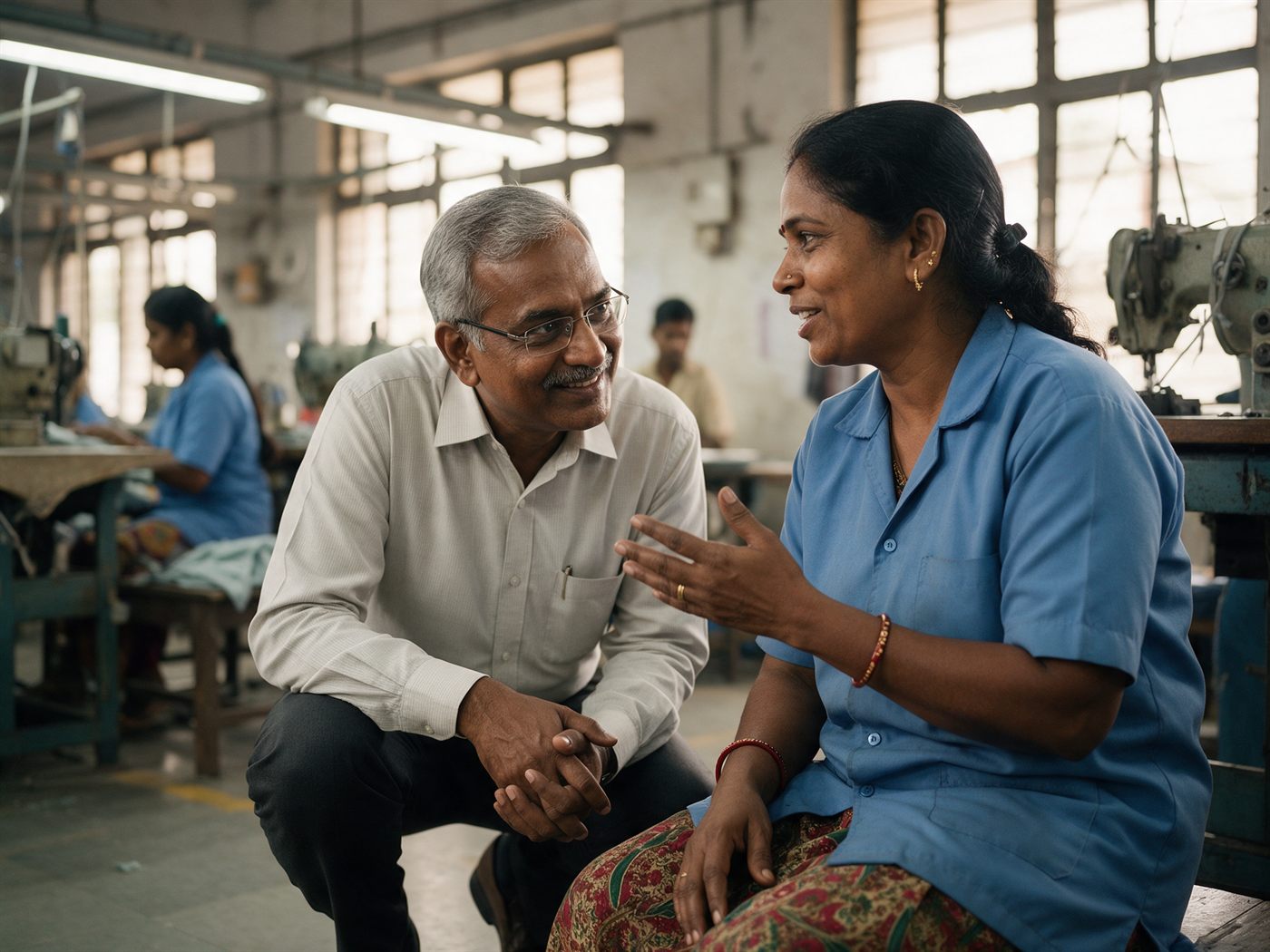
Dignity is not a soft workplace value.
It is fundamental to how people experience work — and how they show up for it.
When people feel respected and valued, they are more likely to speak up, take ownership, collaborate and contribute.
And that shapes how work feels — for everyone.
Dignity is not a soft issue.
Dignity shapes how people communicate, make decisions, take ownership, respond to pressure and work together. It is experienced in everyday interactions, not only in policies or formal statements.

How We Understand Workplace Dignity
We do not begin by assuming what dignity looks like in an organisation. We begin by understanding how dignity is actually experienced.
Five dimensions of the workplace experience
Psychological Safety & Voice
Can people raise concerns, ask questions and disagree without fear of retaliation or humiliation?
Autonomy & Professional Trust
Are people trusted to own their work, or are unnecessary controls and micromanagement getting in the way?
Visibility of Contribution
Are the people and contributions that keep the organisation running seen, acknowledged and valued?
Structural Consistency
Are policies, practices and expectations experienced consistently across roles, levels and locations?
Relational Boundaries
Are people’s time, attention, personal boundaries and basic human needs respected?
The business case
Dignity is human. Its consequences are business.
- Higher Productivity
- Better Performance
- Stronger Retention
03 What business gets
- More Voice
- Greater Ownership
- Stronger Collaboration
02 How people act
- Less Stress
- Greater Psychological Safety
- Better Wellbeing
01 How people feel
What begins as a human experience becomes a business outcome.
“We don’t begin with assumptions. We begin with diagnosis.”
The Problem
A Silent Crisis Hidden in Plain Sight
Workplace fear and disrespect create a vicious cycle that harms productivity, trust, and mental wellbeing. The cost is not merely human. It is economic, social, and national.
- Workplace Indignity (Fear/Stress)
- The Spillover (Bleeds to family/society)
- Community Degradation (Dependent/Ignorant workforce)
- Normalized Indignity (Strategic Disadvantage)
- ...and compounds back into the first stage.
Better Dignity Yields a Stronger Business
This is also a governance and ESG imperative. WWD’s framework drives BRSR Principle 1 (Ethics and Transparency) by linking leadership accountability to power, and advances SDG 8 (Decent Work) and SDG 16 (Strong Institutions) through human rights and psychological safety.
- BRSRPrinciple 1 · Ethics & Transparency
- SDG 8Decent Work
- SDG 16Strong Institutions